

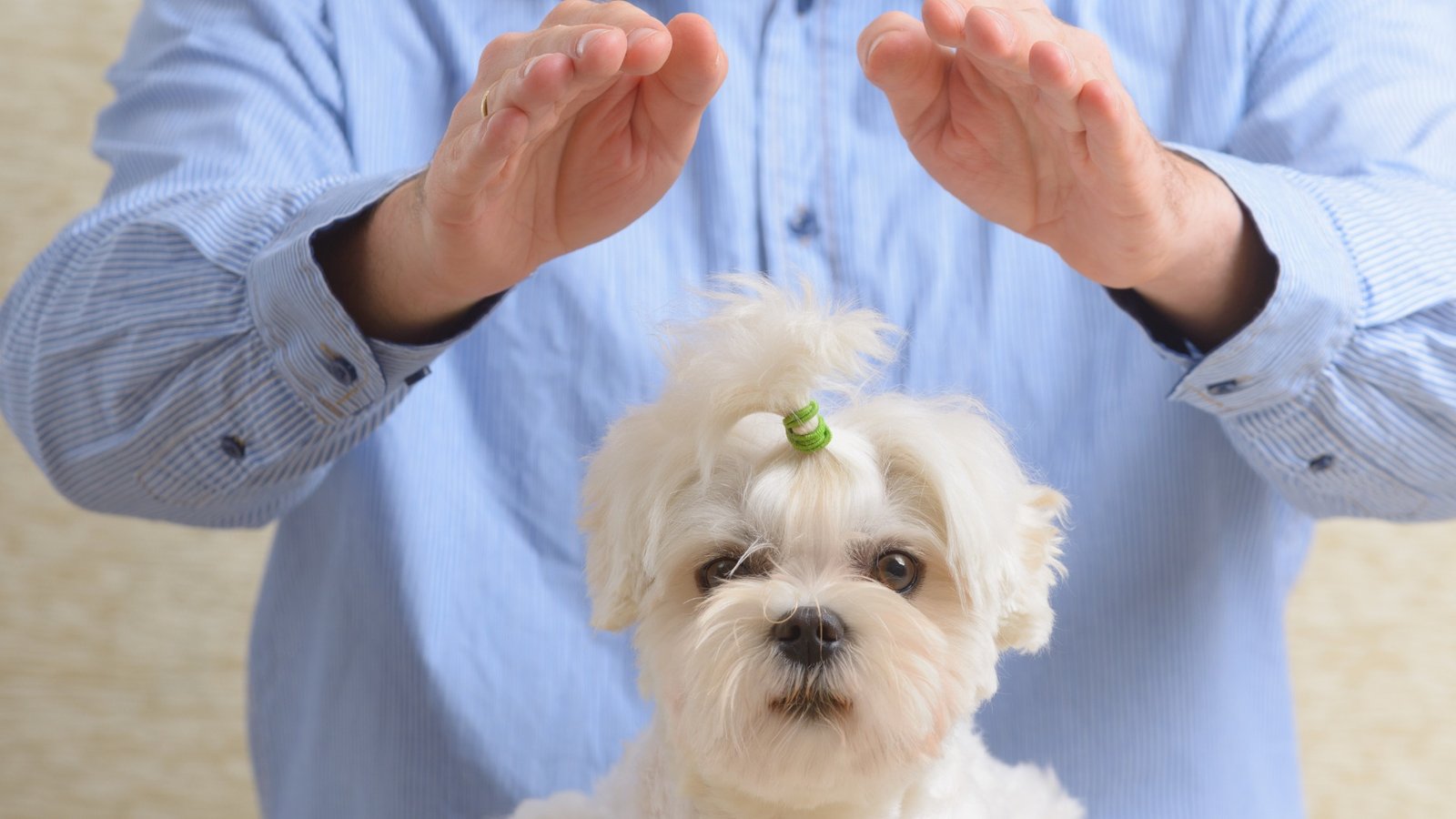
Animal Reiki is a shared practice in which the animal’s choices matter throughout the encounter. An animal may approach, rest nearby, welcome touch, change position, or move away. Learning to notice and respond to these choices is part of learning to offer Reiki.
Animals communicate through their bodies, movements, sounds, and interactions with their surroundings. We deepen our understanding by observing patiently, considering the circumstances, and becoming familiar with the individual.
This chapter focuses on that understanding. The next chapter will bring it into the practical flow of an Animal Reiki session.
Begin with the Individual Animal
Before interpreting an animal’s response to you, take time to notice how they behave in their usual surroundings.
Are they naturally sociable or reserved? Do they often rest at a distance from people? Do they enjoy touch in some places and avoid it in others? How do they move between activity and rest?
A caregiver who knows the animal well can help you understand these everyday preferences. You might ask:
- How does the animal usually approach unfamiliar people?
- How do they show that they want contact?
- What do they do when they want more space?
- Are there particular movements or areas of touch they dislike?
This background gives your observations context. A cat who usually sits across the room may be comfortable sharing Reiki from that familiar place. A dog who frequently changes resting spots may continue doing so during a session.
Allow the animal’s own patterns to guide your understanding.
Read Communication in Context
A single gesture rarely tells the whole story. Look at the animal’s overall expression and how it changes as you interact.
Useful things to notice include:
- Posture: Whether the body appears loose, tense, upright, lowered, or held unusually still.
- Movement: Approaching, withdrawing, turning away, pacing, settling, or repeatedly changing position.
- Facial expression: Changes around the eyes, mouth, ears, or other features, depending on the species.
- Sounds: Vocalisations that occur as you approach, move, or make contact.
- Engagement with the surroundings: Whether the animal continues ordinary activities or becomes increasingly focused on avoiding the interaction.
Interpret these observations together. For example, an animal moving away after you reach toward them gives you a practical reason to withdraw your hand. You do not need to determine their exact emotion before responding respectfully.
Species also differ in how they communicate. Familiarity with dogs does not automatically translate into understanding birds, rabbits, horses, or reptiles. Chapter 8 will explore how to adapt your practice for different animals.
For now, cultivate a simple habit: observe the whole animal, notice what changes, and remain willing to adjust your interpretation.
Recognising Willingness and Hesitation
Willingness can appear as an animal choosing to approach, remaining comfortably nearby, or returning after moving away. An animal accustomed to touch may lean into a resting hand or position themselves for familiar contact.
Hesitation may appear as stopping short, turning away when you move closer, withdrawing from a hand, or repeatedly increasing the distance between you.
These observations help you decide how much interaction to offer. When the response is unclear, give the animal more space and time.
You can pause your movement, keep your hands resting, and allow the animal to choose what happens next. This makes the invitation easier to understand because the animal is responding to a settled presence rather than a succession of approaches.
An animal does not have to demonstrate interest in a human way. Quietly continuing their ordinary activities may be their preferred way of sharing the space.
At the same time, stillness alone does not establish willingness. Consider whether the animal has a genuine opportunity to move and whether their overall behaviour appears comfortable.
Proximity and Permission to Touch
An animal coming close gives you an opportunity to observe their preferences more clearly. They may want to investigate you, lie beside you, or share your company.
Let any physical contact develop according to the animal’s response.
If the animal welcomes familiar touch, you can offer a gentle resting hand and observe what follows. If they turn away, shift out from under your hand, or become tense, withdraw the contact.
For example, a cat may choose to lie beside your leg but turn their head sharply when you reach toward their back. You can leave your hands in your lap and continue the quiet shared practice.
A dog may enjoy a hand resting on their shoulder, then move to a bed nearby. Allow that change without reaching after them.
Hands-off Reiki gives the animal room to participate without physical contact. The practical use of hands-off practice and welcomed touch will be covered in Chapter 7.
Choice Can Change During a Session
An animal’s preference at the beginning of an encounter may change as it unfolds.
They may welcome touch briefly and then prefer distance. They may rest nearby, leave to drink water, and return. They may move between several comfortable places.
Respond to the present moment rather than holding them to an earlier choice.
If an animal moves away from your hand, release the contact. If they relocate, remain where you are unless there is a practical reason to move. Avoid physically following them to maintain proximity or hand placement.
You can remain quietly available while the animal chooses their position. A change in distance does not automatically require you to end Reiki.
Within this Level 1 practice, the important skill is allowing the animal freedom of movement while offering Reiki in their presence. Formal distance Animal Reiki methods belong to Level 2.
Make Boundaries Possible to Express
Respecting choice also means considering whether the animal can act on it.
An animal should have an appropriate way to increase distance, turn away, or use a familiar resting place. Avoid positioning yourself so that your body blocks their available route.
For animals living in enclosures, respect their usual housing and handling arrangements. They may express a preference by moving to another part of the enclosure, using a hiding place, or turning away. Follow the caregiver’s guidance rather than opening an enclosure or handling the animal to create an interaction.
Do not hold an animal in place for Reiki or ask someone else to restrain them for the purpose of maintaining contact.
If necessary handling is already taking place for ordinary care, that does not establish permission for additional touch from you. Let those responsible attend to the animal and choose a suitable opportunity for Reiki.
A meaningful invitation gives the animal room to decline the particular interaction being offered.
When to Pause or Close the Session
Sometimes withdrawing touch or increasing space is enough. You can then remain quietly present and see whether the animal settles into their own preferred activity.
At other times, it is appropriate to pause or close.
If the animal repeatedly avoids your approaches, stop approaching. If they react defensively, withdraw physical contact and give them room. For example, if an animal growls or attempts to bite as you reach toward them, withdraw your hand as safely as possible and let the caregiver manage the situation.
You may close the session if the animal continues to appear unsettled, the surroundings become disruptive, or you can no longer remain comfortably attentive.
If the animal needs immediate care, give that care priority. Ending your planned practice allows those responsible to attend to what is needed.
Closing can also be an ordinary decision. The animal may have left the shared space, you may have reached a natural stopping point, or the agreed session time may be complete.
There is no need to keep an encounter going to prove that Reiki has been received. Respectful practice includes recognising when enough has been offered.
Observe Without Claiming to Know Everything
During Reiki, you may have intuitive impressions or feel a strong sense of connection with an animal. You can receive these experiences with openness while remaining careful about how you interpret them.
Keep observable behaviour distinct from the meaning you give it.
“The dog moved away when I placed my hand on their back” describes what happened. “The dog is releasing an old emotional wound” is an interpretation that the behaviour alone cannot establish.
This distinction helps you remain responsive. When you are willing to leave some things unknown, you can pay closer attention to the animal in front of you.
Humility belongs alongside connection. We can share a meaningful encounter without fully knowing another being’s inner experience.
Reflection
Think about an animal you know well, or observe one with the caregiver’s permission.
Consider:
- How does this animal usually invite interaction?
- How do they ask for more space?
- Do I sometimes reach toward them before noticing what they are choosing?
- Can I remain comfortable when they prefer to be nearby without being touched?
You can explore these questions during ordinary companionship, without beginning a Reiki session. Learning an animal’s communication is an ongoing relationship.
In the next chapter, you will use this understanding to offer a complete Animal Reiki session—from preparing yourself and the space to allowing the practice to unfold and bringing it to a gentle close.