

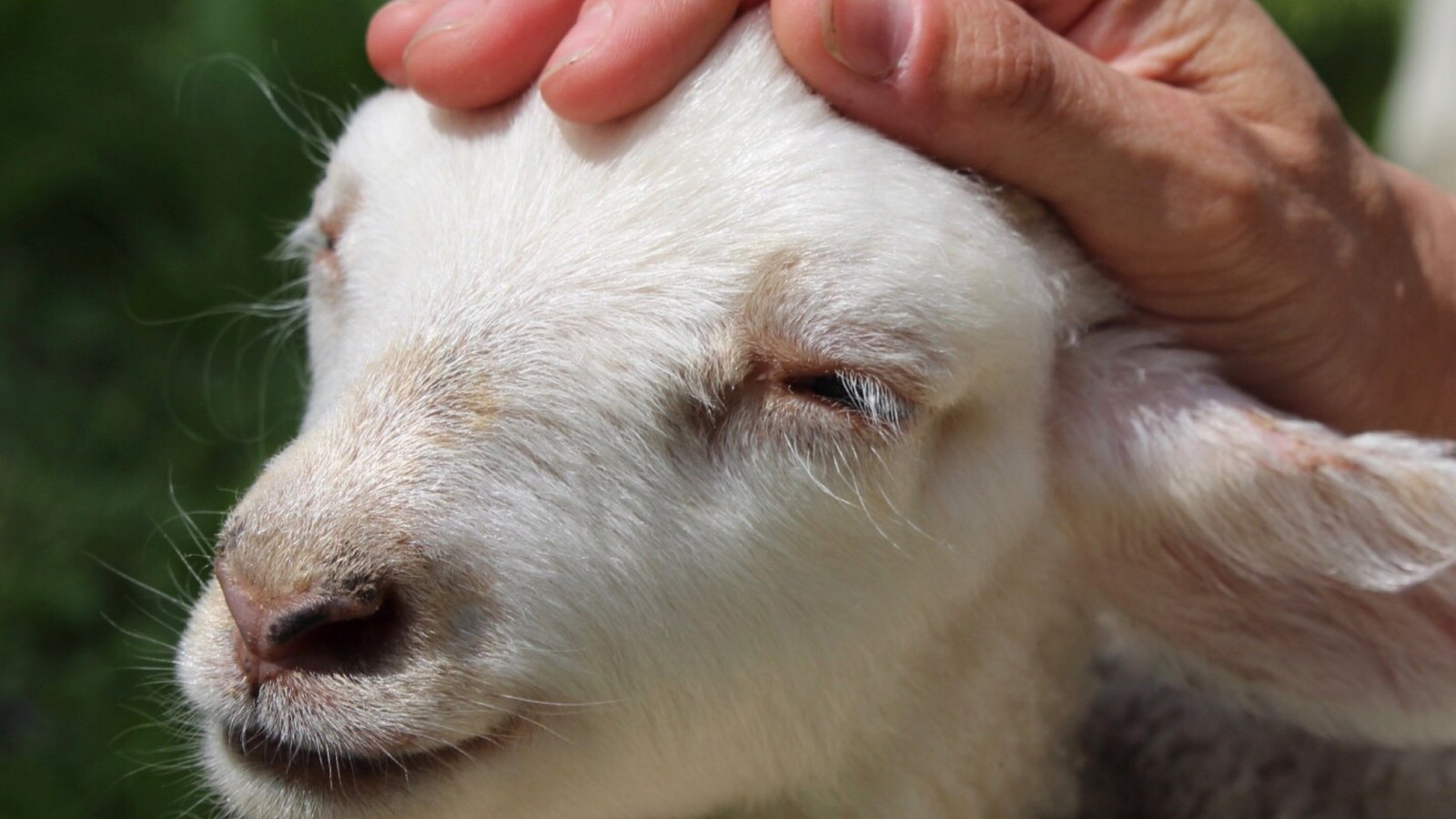
The basic spirit of Animal Reiki remains the same across species: prepare yourself, invite rather than impose, begin hands-off, and allow the animal to determine their level of participation.
The practical form of a session, however, may change considerably.
A dog resting in a familiar home, a horse standing in a field, and a bird observing you from inside an enclosure do not share the same ways of moving, communicating, or relating to human contact. Age, temperament, health, previous experience, and environment may be just as important as species.
Adapting your practice does not mean trying to master a separate Reiki technique for every kind of animal. It means learning enough about the individual and the setting to offer the same Reiki principles appropriately.
Let the Individual Come Before the Species
Species knowledge gives you a useful starting point, but it should not become a fixed story about the animal in front of you.
Not every dog seeks physical contact. Not every cat prefers distance. Some horses are comfortable around unfamiliar people, while others require more time and space. Two animals of the same species, breed, age, or household may respond very differently.
Before a session, consider:
- How does this animal usually interact with people?
- Are they familiar with the practitioner?
- What kind of contact do they ordinarily enjoy?
- Where do they feel most secure?
- Are there handling rules specific to this animal?
- Is there anything in the setting that may affect their comfort or attention?
When the animal has a caregiver or handler, let that person provide guidance about safe interaction. Their knowledge of the individual is more useful than a general assumption based on species.
Dogs
Dogs vary widely in sociability, sensitivity, activity level, and comfort with touch.
A dog who readily greets people may approach as soon as you arrive. Allow the initial greeting to happen according to the caregiver’s normal routine. Avoid turning it immediately into a Reiki interaction. Once the environment settles, choose a comfortable position and begin hands-off.
Some dogs may lie beside you or lean against you. Others may remain in a bed, move around the room, or alternate between closeness and distance.
If touch is welcomed, familiar areas such as the shoulder, upper back, chest, or side of the body may offer comfortable placements. Let the dog’s response guide you rather than moving through a predetermined sequence.
A highly active dog does not have to become motionless for the session to be meaningful. You may offer Reiki while they explore, chew a toy, move between resting places, or occasionally return to you.
With a dog who is unfamiliar, fearful, protective of their home, or uncomfortable with visitors, work at the distance recommended by the caregiver. Do not reach toward the dog to demonstrate friendliness. A quiet hands-off session may be the most appropriate form of practice.
If a dog is behind a gate, in another section of the room, or wearing equipment for ordinary management, do not change those arrangements for Reiki.
Cats
Cats often make subtle and changing choices about distance and touch.
A cat may observe from a doorway, remain on a high surface, settle under furniture, or enter and leave the room several times. These positions can all be part of how the cat participates.
Begin without approaching the cat’s chosen resting place. Sit somewhere that does not block their movement or require them to pass close to you.
If the cat approaches, allow time for investigation. They may sniff you, rub briefly against you, or sit nearby without wanting a hand placed upon them.
When touch is clearly welcomed, use an area where the cat normally enjoys contact. A resting hand near the shoulder or along the upper back may be comfortable for some cats. Others may prefer ordinary brief strokes rather than sustained hand placement, or no touch at all.
Notice small changes. A cat may remain beside you while no longer welcoming contact. If the skin twitches, the tail becomes more active, the ears change position, or the cat turns toward your hand, pause and allow them to show what they prefer.
A cat’s choice to sit across the room is not a lesser form of participation. Many Animal Reiki sessions with cats unfold through quiet shared space.
Small Mammals
Rabbits, guinea pigs, hamsters, rats, mice, ferrets, and other small mammals differ greatly in their social behaviour, handling needs, and daily rhythms.
Because many small animals are vulnerable to being lifted or approached from above, do not pick them up for a Reiki session. Let them remain in a familiar enclosure, room, pen, or resting area unless their caregiver has already arranged something else for ordinary care.
Sit nearby without crowding the enclosure. Keep your movements slow and your voice quiet.
An animal may remain in a hiding place while Reiki is offered. Do not remove the hiding place or reach inside to encourage participation. The ability to retreat can help the animal remain comfortable in the shared environment.
If the animal is accustomed to moving freely in a secure area, you can offer Reiki while they continue their usual activity. Physical contact should occur only when it is already familiar and clearly welcomed.
Small animals may have short periods of interest followed by rest, eating, grooming, or withdrawal. Allow the session to follow that rhythm.
Birds
Birds may be especially attentive to movement, gaze, sound, and changes in their environment.
Offer Reiki from a position that does not crowd the enclosure, perch, or flight area. Avoid standing directly over the bird or making repeated movements toward them.
A bird may watch you closely, continue preening, vocalise, move between perches, or choose a more distant part of the enclosure. Interpret these responses with the help of someone familiar with that individual bird.
Keep the session hands-off unless the bird already accepts touch and the caregiver or experienced handler confirms that contact is appropriate. Do not place your fingers through cage bars or ask a bird to step onto your hand for the purpose of giving Reiki.
The bird can receive Reiki while remaining on a perch, inside the enclosure, or elsewhere in a secure familiar space. There is no need to direct your hands toward them continuously.
For birds who are easily disturbed by unfamiliar people, a greater distance and shorter session may be more welcoming.
Reptiles and Amphibians
Reptiles and amphibians may communicate comfort and stress in ways that are less familiar to many practitioners. Their environmental requirements can also be highly specific.
Do not alter temperature, lighting, humidity, water, hiding areas, or enclosure arrangements for a Reiki session. These conditions are part of the animal’s essential care.
Offer Reiki from outside the enclosure unless the caregiver or qualified handler has a clear reason to arrange otherwise. Do not remove an animal from their habitat to create physical contact.
Remain still and allow the animal to continue their normal behaviour. They may rest beneath a heat source, remain inside a shelter, enter the water, or move elsewhere in the habitat.
Because signs of stress or illness may be subtle, do not assume that stillness means the animal is relaxed or actively accepting touch. Hands-off practice allows Reiki to be offered without requiring an interpretation that exceeds your experience.
When you are unfamiliar with the species, rely upon the caregiver for practical guidance and keep the session simple.
Horses
Working around horses requires attention to positioning, movement, and the guidance of the person responsible for them.
Before entering a stall, paddock, barn aisle, or field, receive permission and instructions from the caregiver or handler. Let them determine whether the setting is appropriate and how the horse should be approached.
Begin at a respectful distance. You may stand outside a stall or fence, or in another position approved by the handler. Avoid standing where you could be trapped between the horse and a wall, gate, or other solid surface.
A horse may turn toward you, remain at a distance, graze, lower their head, change position, or walk away. Let them move without following closely.
If the horse approaches and touch is welcomed, the shoulder or neck may provide a practical placement, depending on the individual and the handler’s guidance. Avoid moving around the horse or approaching the hindquarters without the awareness and experience required to do so safely.
Do not sit or lie on the ground near a loose horse to create a meditative appearance. Your position should allow you to remain calm while also responding appropriately to the horse’s movement.
An entire session may take place from outside the horse’s immediate space. Physical proximity is not required for Reiki to flow.
Farm Animals
Cattle, sheep, goats, pigs, alpacas, and other farm animals may live individually or as part of a herd or flock. Their response to people can be shaped by handling history, social relationships, feeding routines, and the working environment.
Follow the instructions of the farmer, caregiver, or handler. Do not enter pens, fields, or confined areas without permission and appropriate supervision.
You may offer Reiki from outside a fence or from another secure position. This can allow the animals to approach or remain with the group according to their own preferences.
Avoid separating an animal from companions solely for a Reiki session. For many animals, remaining within the familiar social group is part of feeling secure.
When several animals are present, you may set the intention for Reiki to be available to all who wish to receive it. Some may approach while others remain at a distance.
Allow the session to belong to the group without trying to identify which animal is receiving the most energy.
Shy, Fearful, or Unfamiliar Animals
An animal who is wary of people may need more distance, fewer movements, and a less direct form of attention.
Do not use Reiki as a reason to test whether the animal will permit closeness or touch. Success is not measured by persuading them to approach.
Choose a position where your presence can be noticed without becoming overwhelming. Sit or stand quietly, soften your gaze, and keep your hands resting naturally.
If the animal remains hidden, behind a barrier, or beside the caregiver, allow that arrangement to continue.
A fearful animal may not display the resting behaviours people commonly associate with Reiki. Your practice can still consist of offering a calm, non-demanding presence for a short period.
If the animal becomes increasingly unsettled, increase your distance or close the session. Reiki should not become another interaction they must endure.
Trust develops according to the animal’s experience and timing. It should not be claimed as the guaranteed result of one session.
Young Animals
Young animals may be curious, playful, easily distracted, and less inclined to remain in one place.
Let the session move alongside their natural rhythm. A puppy may approach briefly and then return to play. A kitten may climb into your lap, leave, and come back later. A young farm animal may observe from within the group.
Short periods of Reiki can be enough. There is no need to hold a young animal still or wait for them to become sleepy.
Be mindful that young animals may use their mouths, paws, claws, beaks, or bodies during exploration and play. Follow the caregiver’s instructions and maintain appropriate physical boundaries.
Hands-off Reiki is often the simplest way to remain present while the animal continues learning about their world.
Older Animals and Animals with Physical Limitations
Older animals and those living with illness, injury, disability, or limited mobility may need additional consideration.
Arrange the session around the animal’s existing comfort rather than moving them into a special position. Let them remain on their usual bed, support, perch, or resting surface.
Keep pathways to water, litter areas, exits, and caregivers unobstructed. Do not ask the animal to stand, turn, or relocate for easier hand placement.
If touch is welcomed, use minimal pressure and avoid areas that are painful, medically sensitive, bandaged, or fitted with a device. Reiki can be offered hands-off or through a comfortable placement elsewhere on the body.
An animal with limited mobility may not be able to move away easily. For this reason, pay particular attention to smaller changes in posture, facial expression, breathing, or engagement. Pause physical contact frequently enough to give the animal an opportunity to respond.
Do not interpret immobility as consent. Adapt the session so the animal does not need to make a large movement to have their preference respected.
Animals Near the End of Life
Reiki may offer a gentle form of presence during an animal’s final stage of life. The intention is not to determine whether the animal should remain or pass, but to accompany them with compassion.
Let the animal rest in the position and place chosen for their comfort. A quiet hands-off session may be most appropriate, especially when touch, movement, or stimulation has become tiring.
The caregiver may wish to remain nearby or participate through gentle presence. Their emotions may be strong, and the atmosphere may hold love, uncertainty, sorrow, and tenderness at the same time.
Offer Reiki for the animal’s highest good without attaching the session to a particular outcome. Reiki can accompany veterinary care, hospice support, comfort-focused care, or the caregiver’s decisions; it does not replace them.
If the animal needs practical or medical attention during the session, allow that care to take priority.
Multiple Animals in One Home
When several animals share a home, one may approach while another watches from a distance. Some may enter and leave the room; others may continue sleeping.
You can make Reiki available to all animals present without requiring them to participate in the same way.
Avoid allowing one animal’s enthusiasm to interfere with another animal’s space. If there is tension, guarding, competition, or a history of conflict, ask the caregiver to arrange the environment according to the animals’ normal management needs.
You may focus the session on one animal while remaining open to the others, or offer Reiki to the household as a shared group. Make the intention clear to yourself, then allow each animal to choose their involvement.
Adapting to the Setting
The place in which Reiki occurs shapes what is practical.
In the Animal’s Home
A familiar home often allows the animal to follow their ordinary routine. Ask the caregiver where you should sit and which areas should remain undisturbed.
Household sounds do not have to disappear completely. A session can unfold within ordinary life, provided the environment allows you and the animal to remain reasonably comfortable.
In a Shelter or Rescue
Shelters can include unfamiliar people, confined spaces, strong sounds, changing routines, and animals with unknown histories.
Follow all staff and volunteer procedures. Do not open enclosures, enter restricted spaces, or initiate touch without explicit permission.
Reiki may be offered quietly from outside an enclosure or from an approved common area. Short sessions may be more realistic than extended individual practice.
Your calm presence can be offered without expecting a shelter animal to trust you, approach you, or display visible relaxation.
In a Sanctuary
Sanctuary animals may have complex histories, established social groups, and carefully designed routines.
Work under the guidance of the sanctuary staff. They can tell you where to stand, which animals should not be approached, and how your presence may affect the group.
A group session offered from a respectful distance may be more appropriate than attempting individual contact.
In a Veterinary or Rehabilitation Setting
Obtain permission from the facility and caregiver before offering Reiki. Remain outside the way of examinations, treatments, monitoring, and staff movement.
The animal may need to stay in a carrier, kennel, treatment area, or prescribed position. Reiki can be offered without changing that arrangement.
If staff need access to the animal, pause or move immediately. The practical care taking place in the setting has priority.
Outdoors
Outdoor sessions may include changing weather, insects, wildlife, traffic, other animals, and uneven ground.
Choose a secure location and follow the caregiver’s normal safety arrangements. Do not release an animal from a lead, enclosure, or fenced space for Reiki.
Remain aware of the environment while maintaining your practice. Presence does not require closing your eyes or reducing your practical awareness.
When You Lack Experience with a Species
You do not need expert knowledge of every animal to offer gentle hands-off Reiki. You do, however, need to recognise the limits of your practical experience.
Before working with an unfamiliar species:
- Ask the caregiver or handler how to behave around the animal.
- Learn which areas and movements present safety concerns.
- Keep the session hands-off unless knowledgeable guidance clearly supports contact.
- Remain outside enclosures or restricted areas.
- Avoid interpreting unfamiliar behaviour with confidence.
- Be willing to shorten or decline the session if suitable arrangements are not available.
Humility protects both the animal and the practitioner. Reiki experience does not replace species-specific handling knowledge.
The Practice Beneath the Adaptations
Across all these circumstances, the central practice remains consistent:
- Begin with self-awareness and a clear intention.
- Respect the animal’s familiar environment.
- Let hands-off Reiki be complete in itself.
- Allow distance, movement, and changing participation.
- Use touch only when it is appropriate and welcomed.
- Follow knowledgeable guidance about handling and safety.
- Release the need for the session to look a particular way.
Adaptation is not a departure from Reiki. It is one way the principles of kindness, honesty, and respect become visible within the practice.
Reflection
Consider an animal species with which you are familiar and one with which you have little experience.
Ask yourself:
- What practical knowledge do I already have?
- Which assumptions might I be making based on species alone?
- What would I need to learn from the caregiver or handler?
- How could I offer Reiki without requiring touch or close proximity?
- What features of the environment would shape the session?
The more varied the animals and settings, the more important it becomes to return to the same foundation: presence without pressure, connection without control, and Reiki offered for the highest good.
In the next chapter, you will explore the human side of Animal Reiki—communicating with caregivers, setting clear expectations, maintaining professional boundaries, and allowing Reiki to complement veterinary care.